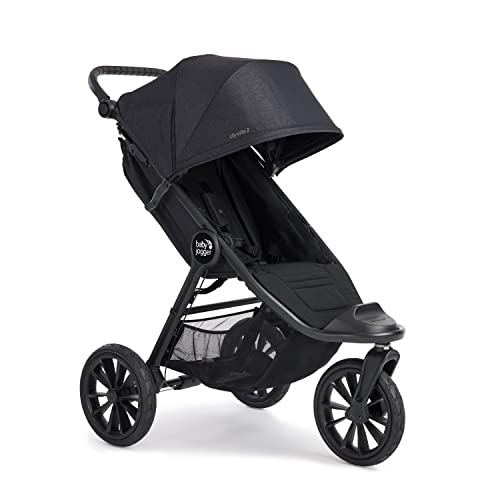
Exploring the Versatility and Fun of 3-Wheeler Buggies
Over the last few years, the three-wheeler buggy has acquired traction in the world of leisure lorries, fascinating lovers with its unique combination of performance, style, and thrill-seeking capabilities. Not only are these lorries created for off-road experiences, however they also provide a platform for social interaction, sporting competitions, and leisurely rides. This blog post will look into the interesting world of 3-wheeler buggies, examining their features, uses, advantages, and even attending to some often asked concerns.
What is a 3-Wheeler Buggy?
A 3-wheeler buggy is a lightweight, compact automobile typically designed for a couple of guests. It is identified by a three-wheel style, permitting for improved maneuverability, agility, and stylistic flair. These cars come in different styles and functions, including recreational, utility, and racing designs.
Table 1: Types of 3-Wheeler Buggies
| Type | Description | Utilizes |
|---|---|---|
| Leisure | Created for enjoyment and leisure | Off-roading, checking out routes, family enjoyable |
| Utility | Developed for transferring light products | Farm work, backyard chores, light hauling |
| Racing | Engineered for speed and efficiency | Competitive events, racing circuits |
| Custom | Customized or handcrafted for unique performances | Showcasing, individual jobs, exhibits |
Functions of 3-Wheeler Buggies
Among the standout attributes of a 3-wheeler buggy is its series of features, which can vary based on usage and style. Here are some of the most common functions that enthusiasts frequently look for:
Table 2: Key Features of 3-Wheeler Buggies
| Function | Advantages |
|---|---|
| Lightweight design | Increased speed and handling |
| Compact size | Simpler navigation in tight areas |
| Customizable options | Permit personalization to match individual preferences |
| High ground clearance | Much better performance on unequal terrain |
| Durable building and construction | Lasting and resistant to misuse |
| Security features | Harnesses, safety belt, and roll cages for protection |
Versatility of Use
The flexibility of the 3-wheeler buggy allows it to accommodate a wide variety of users. Some popular applications include:
- Outdoor Recreation: Family trips and off-road adventures are made more pleasurable with the interesting dynamics of a 3-wheeler.
- Sporting Events: Many enthusiasts get involved in or arrange races and competitors particularly targeted at 3-wheeler buggies.
- Energy Work: Farmers and ranchers typically use these vehicles to navigate their properties for tasks like carrying feed, devices, and products.
- Custom-made Builds: Many hobbyists and enthusiasts enjoy customizing their buggies to suit specific visual appeals or performance needs, producing special and individualized lorries.
Benefits of Owning a 3-Wheeler Buggy
Purchasing a 3-wheeler buggy features numerous benefits, making it an appealing choice for numerous.
Table 3: Benefits of Owning a 3-Wheeler Buggy
| Benefit | Description |
|---|---|
| Economical | Typically more budget friendly than larger rvs |
| Easy to keep | Simpler mechanics imply lower upkeep requirements |
| Social Interaction | Suitable for group getaways and gatherings |
| Enjoyable Factor | Uses an exciting driving experience |
| Ecological Impact | Frequently more fuel-efficient and eco-friendly than bigger vehicles |
Common Types of 3-Wheeler Buggies
While there's a spectrum of buggies readily available, here's a closer look at three typical types that enthusiasts frequently think about:
- ATV Buggies: All-terrain vehicles (ATVs) designed to pass through varied landscapes, making them perfect for adventurers and hunters.
- Go-Kart Buggies: Smaller and normally much faster, these are developed for racing on tracks or for fun at amusement parks.
- Energy Buggies: Engineered for task-oriented deal with properties, typically geared up for specific utility functions.
Often Asked Questions (FAQ)
1. Are 3-wheeler buggies street-legal?
Many 3-wheeler buggies are not street-legal. Nevertheless, some models can be customized to fulfill street-legal requirements depending upon regional guidelines. pushchairsandprams.uk to inspect with regional authorities.
2. What is the average expense of a 3-wheeler buggy?
The cost of a 3-wheeler buggy can range from ₤ 5,000 to ₤ 20,000, depending on the brand, model, and features associated with it. Custom-built choices can surpass this variety.
3. How quick can a 3-wheeler buggy go?
The speed of a 3-wheeler buggy differs widely based upon engine size and style. Common models can reach speeds of 30 to 60 miles per hour, with performance-focused models going even faster.
4. How do I preserve my 3-wheeler buggy?
Routine maintenance includes checking the brakes, oil levels, tires, and battery. Furthermore, it is important to clean the air filter and check mechanical parts for wear and tear.
5. Can I modify my 3-wheeler buggy?
Yes! Lots of owners enjoy customizing their buggies. Nevertheless, it is crucial to ensure that modifications satisfy safety regulations and do not jeopardize the automobile's structural integrity.
The 3-wheeler buggy is more than just a car; it's an amazing expression of freedom and adventure. Its varied applications, customizable functions, and capacity for social connection make it a beneficial investment for those seeking both pleasure and energy. As the popularity of 3-wheeler buggies continues to grow, lovers are most likely to find much more ingenious usages and amazing developments within this niche.
Whether for racing on circuits, farm energy, or simply recreational functions, a 3-wheeler buggy assures adventure and performance. If you're considering joining the ranks of 3-wheeler buggy owners, the journey makes certain to be filled with memories, relationships, and thrilling rides!